Dave Rushton
Founder
of Paradigm Shift Consulting Limited.
Dave Rushton is Founder of Paradigm Shift Consulting Limited, a Good Distribution Practice Consultancy.

Registered Office: Paradigm Shift Consulting Ltd,The Old Mill, 9 Soar Lane,Leicester, LE3 5DE, United Kingdom


0330 133 0920

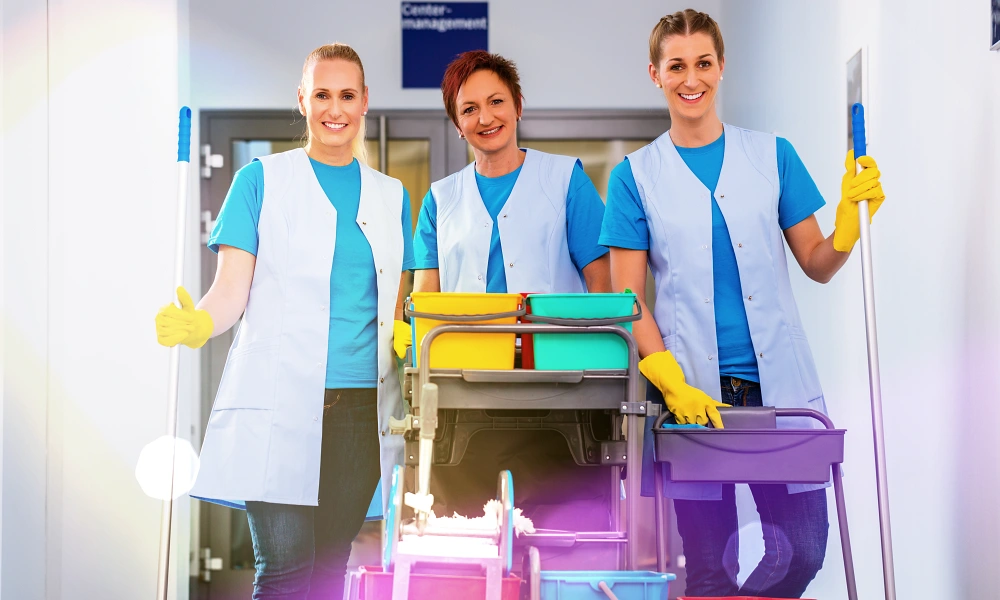
Warehouse cleaning is an essential part of maintaining good distribution practice (GDP) standards for the storage and transportation of pharmaceutical products.
GDP ensures the quality, safety, and security of medicinal products throughout the pharmaceutical supply chain. It involves the removal of dust, dirt, debris, and any potential contaminants that could affect the integrity or efficacy of the products. In this blog post, we will discuss some of the key aspects of the cleaning process which will aid compliance with GDP standards in the UK.
Warehouse cleaning helps to prevent the risk of contamination. This occurs when cleaning is not sufficiently carried out. Dust and other contaminants can permeate the medicinal products rendering them unacceptable to customers. The floor of the premises can kick up a lot of airborne particles due to activity on the ground, much of which is not visible. This can then be carried towards all levels of the warehouse by required air circulation equipment and settles upon everything, stock included. The stock could of course be cleaned carefully, but this is a lengthy process and places further risk upon the stored products.
Other factors to consider are Air and Temperature Control equipment. These are notorious for collecting dust. (Filters would need to be replaced regularly, but this is a site maintenance task for specialist servicing, and not something the cleaning staff are expected to do.)
Check the surfaces including pipework and cable conduits. Older suspended lighting units such as flourescent tube holders are also dust traps.
A written procedure should specify the frequency, methods, equipment, materials, and personnel involved. The procedure should also include the following elements:
As is the case with hospitals, clinics and other medical facilities, you must not use any cleaning products that leave a film behind on the surfaces, that are perfumed, or that have a strong bleach base, or are composed of waxy/oily substances. Most household products are not suitable. There are commercial graded cleaning agents available specifically for non-taint cleaning in medical facilities.
Using cleaning agents that would typically leave “a nice fragrance” cannot be used, due to the risk of contaminating the medical products. A virilent lemon-scented floor cleaner for example can leave a trace odour on many products in storage, particularly near the floor level. This could be picked up by a receiving customer on the goods and they may reject the consignment.
NEVER use air fresheners of any kind, fly sprays (see our Pest Control course for details), or de-odourisers in the storage facilities.
Some best practices for warehouse cleaning are:
Cleaning your Warehouse is a vital part of ensuring GDP compliance for the storage and transportation of medicines and their active ingredients. It helps to prevent cross-contamination, degradation and damage.
Cleaning should be done according to a written procedure that includes risk assessment, cleaning plan, and cleaning validation. All cleaning actions must be documented. It should also follow some best practices such as using PPE, segregating cleaning products, labelling materials, and disposing of waste properly. By following these guidelines, warehouse operators can ensure that they maintain high standards of quality, safety, and security for their products. An auditor or inspector from the MHRA will be able to see immediately if the premises are being neglected.
Paradigm Shift Consulting Ltd offer a comprehensive range of courses designed to address all possible aspects of GDP operations. We run an online GDP Webinar for RPs and Management every month, with a thorough training schedule covering all 10 chapters of the EU guidelines complete with vivid examples of how things can go wrong and of course, the topic of Cleaning and what you must do to remain within compliance.
If you wish to know more, call us for a free 5 minute consultation, or you can use the contact form below. Alternatively, email us at info@gdptraining.co.uk if your requirements or issues are more complex.
A selection of useful links to associated subjects are shown below.
Online GDP Webinar for RPs and Management
Warehouse Cleaning and Personnel
EU GDP Guidelines 2013/C 343/01
Chapter 3.1, Chapter 3.2 paragraph 8
