Dave Rushton
Founder
of Paradigm Shift Consulting Limited.
Dave Rushton is Founder of Paradigm Shift Consulting Limited, a Good Distribution Practice Consultancy.

Registered Office: Paradigm Shift Consulting Ltd,The Old Mill, 9 Soar Lane,Leicester, LE3 5DE, United Kingdom


0330 133 0920


Medical devices cover a broad and varied range of products that are intended for medical use in human beings.
In the UK context (and derived from international definitions) a “medical device” means any instrument, apparatus, appliance, software, implant, reagent, material or other article intended to be used for human beings for one or more of the following medical purposes:
Diagnosis
Prevention
Monitoring
Treatment or alleviation of disease
Investigation
Replacement or modification of the anatomy or of a physiological process, or
Control of conception.
Examples are plentiful:
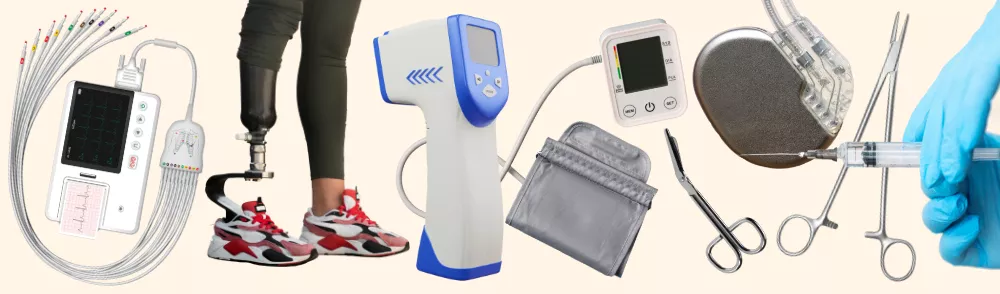
This can include surgical instruments, implants (e.g., hip, knee), software that controls medical imaging or health monitoring, in vitro diagnostic devices (IVDs) such as test kits or reagents, wearable monitoring devices, hospital beds, sterilisation equipment and more.
For pharmaceutical wholesaler distributors in the UK, it is essential to recognise when a product falls under the definition of a medical device. Keeping in mind, if a device is regulated as a medical device, it triggers specific obligations under UK law. The distinction often hinges on the intended use claimed by the product supplier.
The classification of medical devices determines the level of regulatory control required.
Classification depends on the device’s intended purpose and its potential risk to the patient or user.
Typical examples include:
For pharmaceutical wholesaler distributors, understanding the classification is important because higher risk devices demand greater scrutiny and vigilance.
In Great Britain (England, Wales, and Scotland), the regulation of medical devices is governed by the Medical Devices Regulations 2002 (SI 2002 No 618, as amended), often referred to as the UK MDR 2002. Oversight is provided by the Medicines and Healthcare products Regulatory Agency (MHRA).
Following the UK’s departure from the EU, Great Britain operates a separate system from the EU MDR and IVDR. Devices placed on the Great Britain market must meet UK specific requirements, including correct labelling, appropriate conformity marking e.g. UKCA or CE, and adherence to MHRA guidance.
The MHRA has the authority to inspect facilities, enforce compliance, monitor vigilance and recall procedures, and take action to prevent unsafe or falsified devices from being supplied.
For pharmaceutical wholesaler distributors, the key takeaway is that compliance responsibility does not stop at the point of manufacture, as with medicines it continues throughout the entire supply chain.
Wholesale distributors act as essential gatekeepers between manufacturers and healthcare providers. They must take reasonable steps to ensure that only compliant, legitimate, safe, and properly labelled medical devices are supplied in the UK.
Wholesale distributors must verify that medical devices are compliant before making them available on the market. This includes ensuring that:
Whilst wholesalers are not responsible for registering the device with the MHRA, they must ensure their upstream suppliers have met all legal requirements before the product enters the UK supply chain.
Once a pharmaceutical wholesale distributor takes possession of a medical device, it must be stored and transported under appropriate conditions to maintain its quality and performance.
Requirements include:
Implementing Good Distribution Practice (GDP) principles and aligning with ISO 13485:2016 helps wholesale distributors demonstrate that their processes maintain product quality and traceability.
As with medicinal products, wholesale distributors are required to keep detailed records of all medical devices they handle, including:
Traceability ensures that devices can be tracked and retrieved in the event of a recall or safety notice. Under MHRA expectations, these records must be retained for a minimum of 10 years (or 15 years for implantable devices).
Pharmaceutical wholesale distributors play a critical role in the post-market vigilance system and due to this, they must actively monitor the performance and safety of devices in use and report any issues that could compromise safety.
If a wholesaler becomes aware that a device poses a serious risk, is suspected to have been falsified, or fails to meet legal requirements, they must:
Pharmaceutical wholesalers should maintain documented complaint procedures and ensure that all reports are investigated and escalated appropriately.
Falsified medical devices present a major threat to patient safety. The MHRA has identified this as a growing risk, particularly for high-value and implantable devices.
Pharmaceutical wholesale distributors must implement safeguards, including:
Ensuring that falsified or unauthorised products do not enter the supply chain protects patients and demonstrates compliance with MHRA expectations.
When a safety issue is identified, the MHRA or supplier may issue a Field Safety Notice (FSN) or initiate a recall. Distributors must act swiftly and effectively to remove affected devices from the market.
This requires:
Effective recall management demonstrates regulatory competence and commitment to patient safety.
A structured Quality Management System (QMS) is a key element of compliance. While not mandatory for all distributors, implementing an ISO 13485-aligned QMS provides a strong framework for medical device risk management, complaint handling, and product traceability.
Key elements include:
An effective QMS also supports readiness for MHRA inspections, which assess whether distributors have adequate systems in place to ensure the safety and performance of the devices they handle.
The expectation is that your QMS is combined, and not that you run separate QMS for GDP and ISO 13485/9001.

Distributing or supplying non-compliant medical devices is a criminal offence under the UK MDR 2002.
The MHRA has extensive enforcement powers, including:
Non-compliance can also result in:
Ultimately, the cost of failing to comply far outweighs the effort involved in maintaining a compliant distribution system.
A secure, transparent, and traceable supply chain is the best defence against compliance breaches. Distributors and wholesalers should:
Medical device distributors and wholesalers are pivotal in maintaining the safety, authenticity, and compliance of products supplied within the UK healthcare system.
Their responsibilities extend well beyond logistics, they are a critical link in ensuring patient safety and regulatory integrity.
By implementing strong due diligence, traceability, vigilance, and quality management processes, distributors can confidently meet MHRA expectations, protect their business, and support a reliable healthcare supply chain.
Paradigm Shift Consulting supports distributors and wholesalers in building compliant frameworks for the handling and supply of medical devices, including audits, policy design, and regulatory readiness reviews.
If your organisation distributes or supplies medical devices in the UK, now is the time to strengthen your compliance strategy and prepare for the evolving regulatory landscape. Ensuring compliance is not only a legal necessity, it’s an ethical commitment to patient safety and public trust.
Contact us today for more information on how we can support your medical device supply journey!
Welcome to a new Paradigm!
