Dave Rushton
Founder
of Paradigm Shift Consulting Limited.
Dave Rushton is Founder of Paradigm Shift Consulting Limited, a Good Distribution Practice Consultancy.

Registered Office: Paradigm Shift Consulting Ltd,The Old Mill, 9 Soar Lane,Leicester, LE3 5DE, United Kingdom


0330 133 0920

Take a look through our free blogs that cover a number of different areas of Good Distribution Practice (GDP). Each blog addresses primary topics including training, inspections and procedures. If you need any more information or any assistance/training don’t hesitate to contact us by email or phone.

Risk Assessment is the process of finding, recognising and describing potential sources of harm within in the GDP supply chain.

ISO 13485 and your Quality Management SystemThe European Union Medical Device Regulation (EU MDR) is a new set of rules that came into force on May 26, 2021, replacing the previous Medical Device Directive (MDD) and Active Implantable Medical Device Directive (AIMDD). The EU MDR aims to improve...
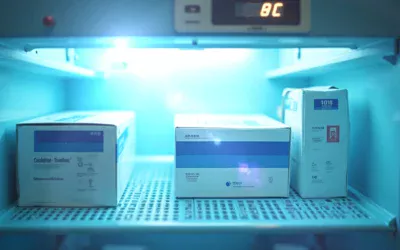
Cold Chain is the process of maintaining the quality and integrity of medicines that require lower than ambient temperatures in storage and transportation.

Documentation is an essential part of GDP, as it provides evidence of the actions taken by the distributor to demonstrate compliance with the applicable regulations and guidelines. It also facilitates traceability of the distribution process, enables effective recall of defective products, and supports continuous improvement of the quality system.

Change control in GDP is a process used to manage any changes that may affect the compliance with Good Distribution Practice. GDP is a set of guidelines that ensure that medicinal products are stored, transported and handled under suitable conditions, as required by the marketing authorisation or product specification.
In the pharmaceutical industry, a QMS is essential to comply with the regulatory requirements and standards for the manufacture, distribution, and supply of medicinal products. It covers all aspects of the pharmaceutical supply chain, from the sourcing of raw materials to the delivery of finished products to the end users.

Outsourcing is a common practice in the pharmaceutical industry. It can offer many benefits, such as cost reduction, efficiency improvement, and access to specialized expertise. However, outsourcing can also pose challenges and increase risks if you select poorly or do not fully understand the activity you plan to outsource.

Complaints can indicate serious quality issues, regulatory breaches, or customer dissatisfaction. They are inevitable in any business, but they can be especially damaging for wholesalers and distributors of medicinal products. it is essential to have a robust and effective complaint handling system that complies with GDP.

An element of a pharmacovigilance system is the Management Review, which is a systematic evaluation of the performance, adequacy and effectiveness of the quality system. It’s the science and activities relating to the detection, assessment, understanding, and prevention of adverse effects and other related problems.

A medicinal product recall is a process of removing or correcting a defective or unsafe medicinal product from the market. Recalls may affect all or part of the supply chain, from manufacturer to end-user.
A recall may be initiated by the manufacturer, the distributor, the marketing authorisation holder (MAH).
